

Article by guest writer, Dr. Mira Solis
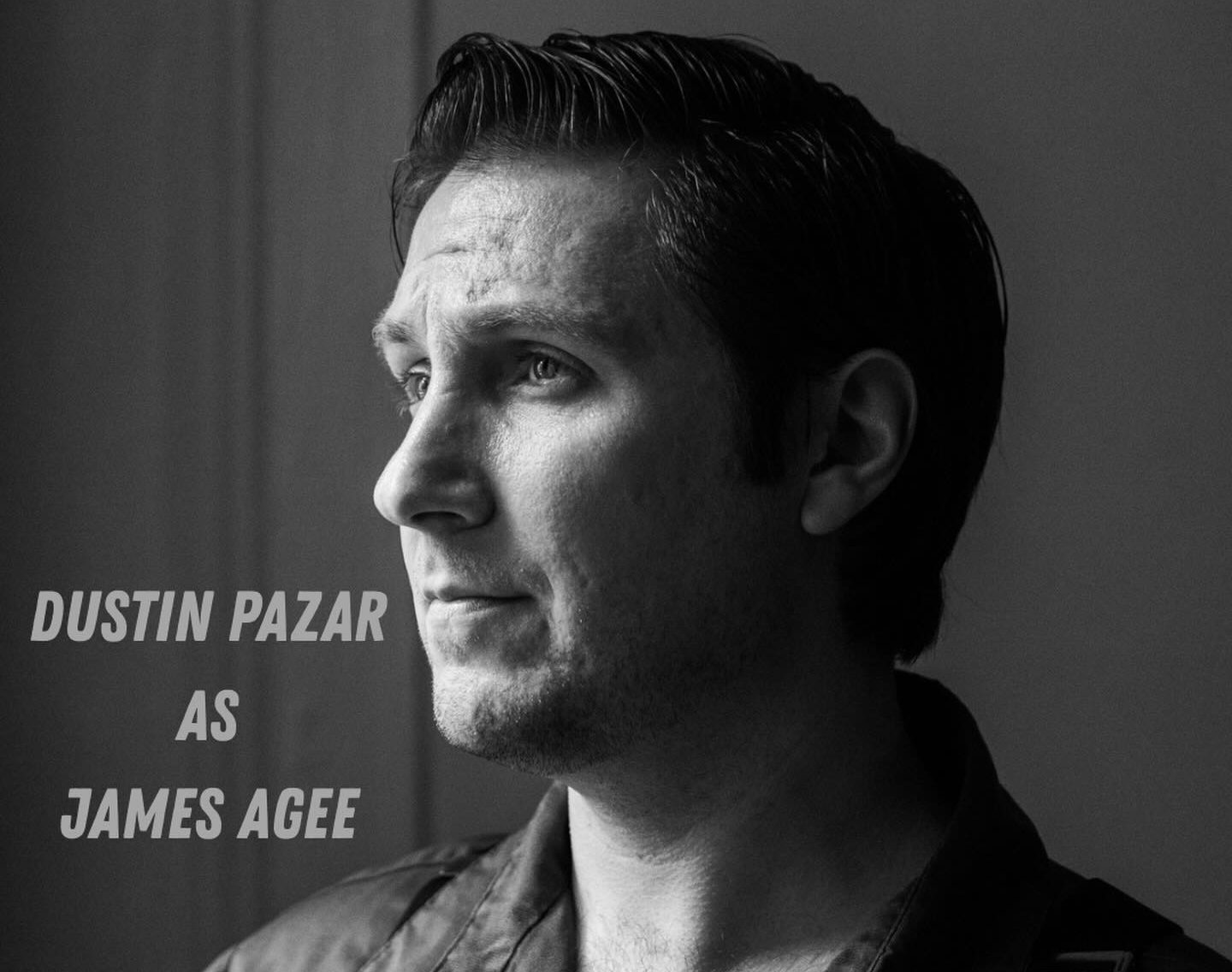
In the “Cast B” interpretation of Richard Vetere’s 1939-set drama, the character of James Agee takes on a frantic, physical urgency. For Dustin Pazar—a Boston College alumnus and veteran of the ATA stage—portraying Agee isn’t just about literary legacy; it’s about the raw, human fear of becoming obsolete.
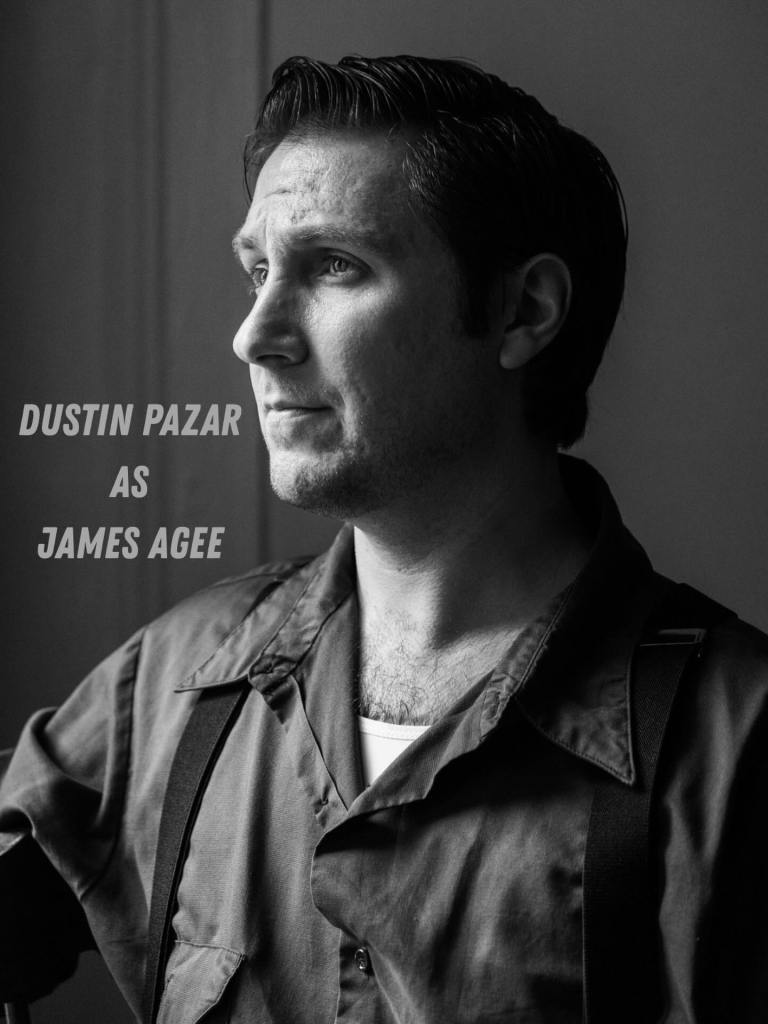
While others might see Agee as a confident pioneer of the “new” medium of film, Pazar digs beneath the surface to find a man haunted by the departure of the world he once knew.
The Sound of a Legend
Pazar’s approach to the “historical icon” is rooted in sensory detail. To bridge the gap between the real James Agee and Vetere’s “volatile” script, Pazar went directly to the source: archival audio.
“The directness of the voice is a combination of one audio of James Agee’s actual speaking voice with what Richard Vetere has penned,” Pazar explains. By layering Agee’s historical mannerisms and physicality onto the dialogue, Pazar creates a performance that feels grounded in reality while soaring through the heightened emotional stakes of the play.
The Clock as a Claustrophobe
In this production, the sense of “impending doom” isn’t just about the looming World War—it’s about the ticking seconds of a single weekend. Pazar views the small-house setting through a lens of missed opportunity.
“James has one weekend to convince Delmore to go along with him with writing screenplays,” says Pazar. In his eyes, the claustrophobia comes from the “potential success slipping away” with every passing hour. It is a race against a deadline, where every conversation on that porch is a desperate attempt to secure a future in a shifting industry.
Relevance vs. Worthlessness
Perhaps the most striking element of Pazar’s Agee is the internal conflict regarding the “death of literature.” Rather than a simple disruptor, Pazar plays Agee as a man grieving the art of writing even as he tries to master the “new” form of film.
“He is trying to get on that train before it has left him alone at the station,” Pazar observes. This version of Agee is a man who appears confident on the outside but is “terrified of being worthless” on the inside. It is a poignant, modern struggle: the desperate need to create “real art” within the confines of what society deems relevant.
Ideas and Sexual Tension: The Cast B Dynamic
Pazar has been an active observer of Cast A’s rehearsals, using them as a “Eureka” factory for blocking and delivery. However, he notes that Cast B brings a very specific energy to the ATA stage—one that adds a layer of heat to the intellectual sparring.
“Our cast brings the sexual tension crashing against the contained frustrations of the three artists,” Pazar teases. This added layer of interpersonal friction makes the “Melodrama” feel even more explosive, as the characters’ professional goals collide with their private desires.
A Call for Wonder in 2026
When looking through the eyes of a 1939 poet at a 2026 audience, Pazar’s takeaway is one of radical presence. He views the “Poet on a String” as any writer forced to dance for the “masses of popular trends”—a sentiment that rings true in today’s algorithm-driven world.
His advice for the modern viewer? “Stop and be in the moment of life more often. Live in the wonder of the world… and slow down.”
Dustin Pazar’s James Agee is a high-wire act of ambition and anxiety. Experience the “sexual tension and contained frustration” of Cast B’s performance at the American Theatre of Actors.

 ARTIUM: OMNI