


Article by Anya Kai
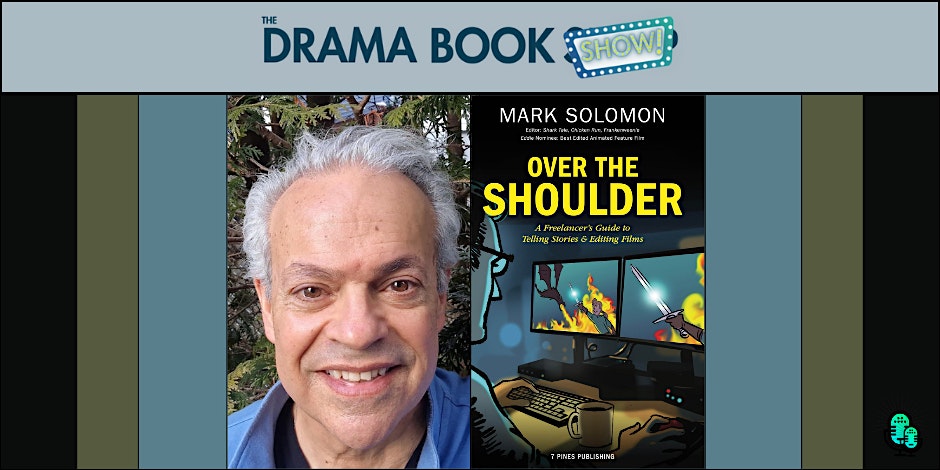
Mark Solomon is a filmmaker and editor whose life story, much like the narratives he crafts, is a testament to the power of connection across seemingly insurmountable divides. Born to a father whose family were poor Jewish immigrants and a mother whose father was a German military officer killed in World War II, Solomon’s very existence embodies the potential for love to transcend deep-seated differences. This personal history profoundly shapes his creative vision, driving him to explore the world through the lens of contrast and to build bridges through storytelling.
Solomon’s work, particularly in animation, focuses on crafting narratives that resonate with audiences of all ages, inspiring them to connect with “the Other” and discover common ground. He believes that stories, with their inherent structure of beginning, middle, and end, are essential tools for navigating the complexities of life, providing meaning and purpose in a world that often feels chaotic. For Solomon, storytelling is about forging human connections, engaging emotions and imaginations in ways that are both vivid and unforgettable. While acknowledging the importance of facts and information, he emphasizes the crucial role of compelling narratives in making those facts truly memorable.
As an animation editor, Solomon’s creative influence extends to the very foundation of a project. He describes his role as akin to script development, meticulously assembling storyboards with dialogue, music, and sound to create a comprehensive blueprint for the entire film. This “map” serves as a central hub for the entire production team, providing crucial context for every individual shot. He sees animation editing as a process of choices, guided by intuition, taste, and logic, all aimed at creating the most impactful experience for the audience.
Solomon identifies fear as the biggest obstacle in the creative process – fear of commitment, fear of judgment, and fear of failure. He notes that while successful movies share similar traits, each unsuccessful film has its own unique set of problems. He draws a distinction between collaborative projects driven by a shared vision and those hampered by ego and conflicting agendas, comparing the latter to a “custody battle.” A good editor, in his view, must champion the film’s integrity and maintain focus on creating memorable entertainment, even amidst creative friction.
For aspiring filmmakers, Solomon advises specializing in a niche area and demonstrating their capabilities through their professional approach to seeking employment. He emphasizes the importance of professionalism, persistence, and relationship building as indicators of a long-term commitment to freelance work. These insights are further explored in his book.
Currently, Solomon is producing a documentary about a climate circus project and offering consulting and coaching services. His ongoing work reflects his enduring commitment to using storytelling to foster understanding, inspire connection, and ultimately, bridge the divides that separate us.

 ARTIUM: OMNI